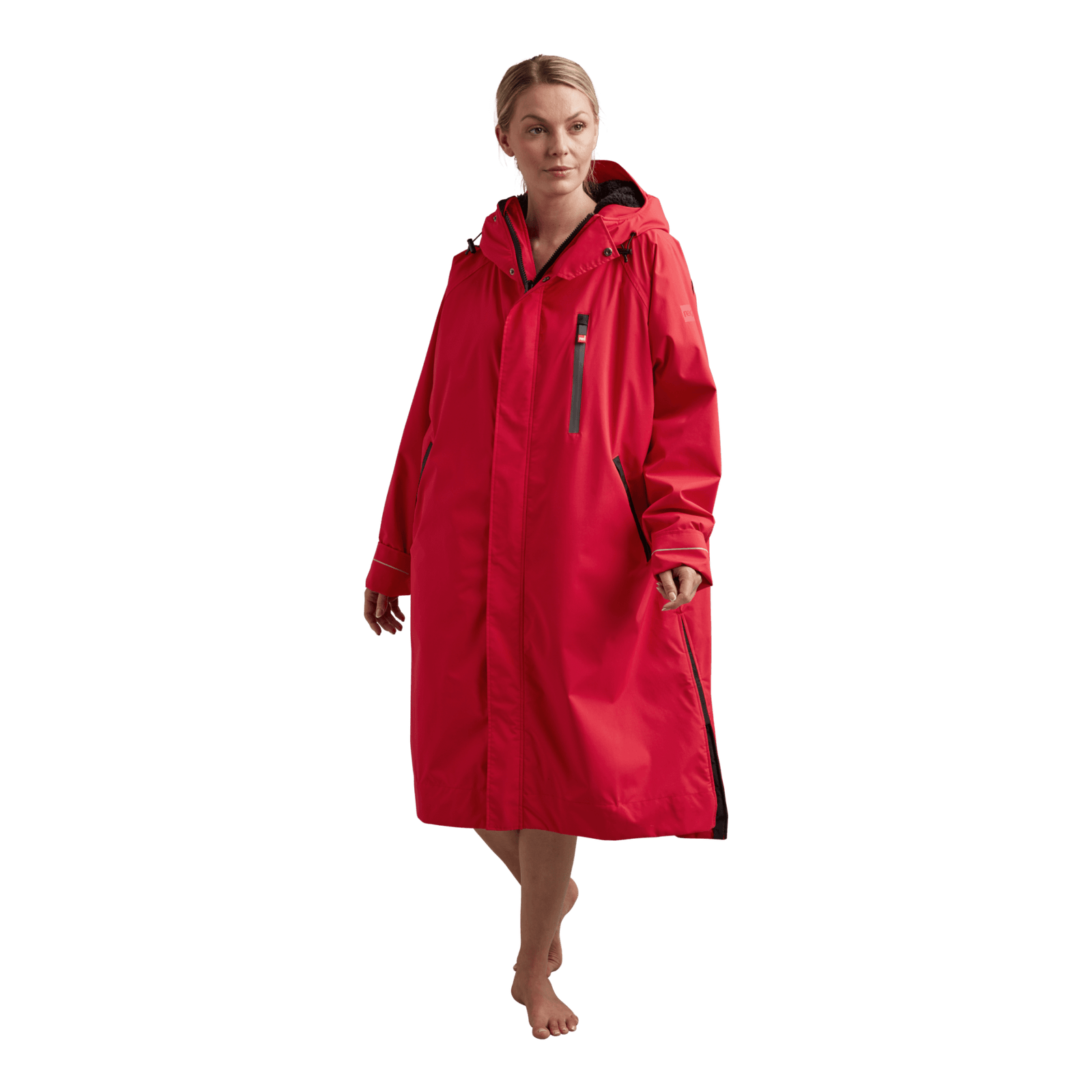

Women's Long Sleeve Dry Waterproof Changing Robe Alter EVO - Siren Red
£159.95


Written by Lydia Burdett /
Open water swimming takes determination, preparation and a healthy respect for the elements. For Deborah Gardner, it also means finding new ways to push the boundaries of what's possible. On 1 September 2026, Deborah became the first person to swim the Santa Barbara Channel entirely using backstroke, completing the 13.19-mile crossing in challenging ocean conditions. Following her record-breaking Catalina Channel swim less than a year earlier, she continues to take on new challenges, with a bigger purpose behind every mile. We caught up with Deborah to hear about the swim, the people who inspire her and the role of Red Equipment in her open water adventures.
I’m Deborah Gardner, better known as DG, a lifelong athlete, entrepreneur, author, and keynote speaker who believes age is never an expiration date on possibility. I’m here to challenge people to OWN YOUR LANE, get off the block, and GO after the life they were meant to live.
I wasn’t born with a big house, a big bank account, a big plan, or even a GPS telling me where I was going. I grew up in Yuma, Arizona, where the summers are so hot you could probably fry an egg on the sidewalk. And yes… I’m sure someone has said that before. Ha! But I had a dream: I wanted to be successful. I wanted to compete in the Olympics. And then, somehow, that dream came true. Getting ready to qualify for the Olympic Trials, I knew I had a shot at competing at the highest level of my sport. And then… I got scared. I told myself I was too young. Too inexperienced. Not ready. So I waited. I figured there would be another four years. Another chance. Then came January 20, 1980. The US announced it would boycott the Moscow Olympics. Just like that, my Olympic dream was gone. I was devastated. I quit swimming, spent the next decade in the corporate world, and eventually moved on. Then COVID hit. I got back in the pool, and honestly? I just wasn’t feeling it. Until a Triple Crown swimmer suggested I try open water. I did. And, apparently, I found my crazy. Because that one swim changed everything.
Yep. Totally crazy idea, but up for it. Competing since I was 7 years old, backstroke was always my favorite stroke. So, when I heard the Anacapa Channel was roughly half the distance of Catalina, I thought, Why not? Now, let me be clear. I did not think that meant it would be half as hard! Ha! It turned out to be one seriously tough swim. But there was another reason: I would be the first person to swim from Anacapa Island to the mainland entirely on my back. So really, the plan was simple: favorite stroke + crazy idea + first-ever challenge = Let’s GO!
Training for this feat was…interesting. Backstroke isn’t exactly the most popular stroke in open water, so finding information was a challenge. I had to learn from the few swimmers who had actually done it. I connected with a swimmer who had backstroked the English Channel, and just like so many people in the open-water community, she generously shared what worked and what didn’t. Because I couldn’t see where I was going, kayak support was critical. I also had to rethink my land training, targeting the muscles I needed specifically for backstroke. And let me tell you, I woke up muscles I didn’t even know I had! LOL! It was a whole new way of training for a whole new kind of challenge.


Oh, yes. This is where things got REALLY interesting. Hurricane Marie was moving in, and the swells were building to be massive. Just getting the boat out to Anacapa Island was a wild ride, so wild that some of my crew got seasick. And then I heard something I definitely did not want to hear: the pilot was considering canceling the swim because he was concerned I might literally drown myself doing backstroke. Instead, the pilot moved our start more north of the island looking for calmer water. It added almost another mile to the swim, but I was perfectly fine with that. He gave me one hour in the water to prove I could handle the conditions, and then he would decide whether to pull me. Pull me? That is a very dirty word in the open-water swimming world. So I got in the water, started swimming, and basically thought, “Okay, Deborah…let’s show them what you’ve got.” And from there, there was only one thing on my mind: GO.
Picture this: 4:30 in the morning, pitch black, 3-to-5-foot swells, and me trying to touch the side of a massive cliff covered in sea urchins. Oh, and I’m doing it without getting slammed into the cliff by the waves. No big deal, right? Normally, these swims start from a beach. This time, it was a cliff start. I never actually got out of the water. I had to find a way to touch the cliff on my back and then start to swim. Thank goodness there was a boat spotlight, so the observer could see me do this. It felt like getting on a roller coaster you couldn’t get off…for hours. And backstroke made it even crazier. I couldn’t see the waves coming, so I had to feel the currents to anticipate them. Then I had to time each breath perfectly, because when a wave rolled over my head, I had only a split second to get air. So there I was pulling forward in the darkness, feeling for currents, timing waves, dodging a cliff and sea urchins, and swimming backward into the unknown. And somehow, I thought this was a good idea. Ha!
One of my favorite parts of the swim was having a personal little ocean escort. The Santa Barbara Channel is basically an aquarium, and most of the way, a cute, playful seal followed us around. During my 30-minute feeds, the crew and I would spot him popping up beside the boat. We figured he was probably wondering, “Why does this lady keep stopping? Keep swimming!” We thought it was adorable. The pilot? Not so much. He informed us there was a pod of sharks nearby and, apparently, sharks are big fans of seals. So while the seal thought he had found his new swimming buddy, the pilot was thinking, “I really wish that seal would find another boat.” It was definitely one of those unforgettable moments that made the swim feel less like a challenge and more like an episode of National Geographic.
Every swim is different. There really is no fair way to compare them. Water temperature, weather, currents, pilots, crew roles, observer rules, visibility- every challenge brings its own personality. What made this swim particularly tough was that we were rewriting the playbook for channel swimming with backstroke. Visibility was our biggest challenge. I could stare at the clouds all day, but they weren’t exactly giving me directions! So my kayakers became my extra set of eyes. They had to constantly scan the water, communicate with me, and help me anticipate what was ahead. Because my body sits lower in the water during backstroke, we got creative. We lit up neon-colored noodles on the kayak and added a USA flag on a long pole extended over the water so I could better follow the boat. Those little innovations made a HUGE difference. That’s what I loved about this swim. It wasn’t just about my ability to swim 13.19 miles. It was about an entire team thinking differently, solving problems on the fly, and figuring out how to make the impossible a little more possible. And that’s exactly what we did. Together.
I had prepared for this swim both mentally and physically. But the ocean is 100% resistance, and sometimes Mother Nature has her own plans. Because I’m swimming in salt water, it can irritate and tighten my airways, making it harder to breathe, especially when I accidentally swallow water. My kayaker helps with mouthwash to get that lovely ocean taste out of my mouth, but unfortunately, it doesn’t exactly fix the breathing problem. That can become one of the toughest parts of the swim. But I’ve learned there’s almost always a silver lining, even in the things you can’t control. I just have to keep pulling forward and focus on what I can control. And there’s one very important perk my crew has figured out: vanilla milkshakes! After the swim, my throat can be so irritated that solid food is off the menu for several days. So one of my crew members has an important post-swim assignment: keep DG supplied with vanilla milkshakes for three or four days! It’s not exactly the recovery plan you’ll find in a training manual, but it works for me. When the going gets tough, I pull forward. And apparently, I LOVE milkshakes. Ha!


It’s actually the observer rules. I have to start backwards and end backwards. Knowing me, just for fun, I would have done that anyway.
Now, that was FUN and completely unexpected. Watching lifeguards and strangers cheering as I walked up on the beach was such a happy surprise. I remember thinking, “Wait…do they think I’m a mermaid or something? But the best part was the day before, I had seen a whole pack of seals lounging on the sand. And when I landed, there they were again. It honestly looked like they had been waiting to cheer me on, too. What a way to finish a crazy adventure.
It means we accomplished the goal. Every swim needs a little something that makes it exciting, and for this one, we wanted to create a challenge that had never been done before. Since I’ve always loved pushing myself to do things differently, the idea of becoming the first person to swim the Santa Barbara Channel entirely on my back felt like the perfect goal. And then came the fun part: we actually did it! I love being first, not because of the title, but because being first means you’re willing to go where nobody has gone before, figure it out as you go, and maybe inspire someone else to think, “Hmmmm…if she can do that, what could I do?” That’s the real record. Inspiring others.
This one is very personal to me. Southern Cross Service Dogs gives veterans a second chance at independence, confidence, and connection through specially trained service dogs. I’m incredibly proud that my swims can help bring attention and support to such a meaningful mission. These dogs aren’t simply pets; they are highly trained partners who can make a profound difference in the lives of veterans. For me, the swim was never just about swimming 21 miles or setting a first-ever record. It was about using something I love to help support people who have given so much. If my crazy adventures can make a difference for even one veteran and their family, then every mile is worth it. That’s something I can be really proud of. Here is where to donate or for more information…
>> Southern Cross Service Dogs for Veterans Campaign
I want people to stop letting a number decide what they’re capable of. We have an age crisis in our society. Somewhere along the way, we started believing that certain dreams belong to young people, and that as we get older, our job is to slow down, settle in, and play it safe. I don’t buy it. My mother is one of the reasons why. At 76 years old, she went back to college and earned her degree. SEVENTY-SIX! While most people were thinking about retirement, she was thinking about graduation. And she did it. That taught me something I’ve never forgotten: your timeline is your timeline. Maybe your dream changes. Maybe the path changes. Maybe it takes a lot longer than you imagined. But that doesn’t mean the dream has an expiration date. I hope people walk away believing this: You are not too old. You are not too late. And you are not done. If there’s still something inside you that says, “I want to…” listen to it. Because dreams don’t age. People just stop believing in themselves. But believe again. Pick up the dream. Get off the block. And GO.
"It's honoring my dad, veterans, and anyone who needs proof that dreams don't age."
Deborah Gardner
Part of my bigger goal is to earn a few Triple Crowns of Open Water Swimming. Once I swim Lake Tahoe in the summer of 2027, I’ll have completed the California Triple Crown, which includes Catalina, the Santa Barbara Channel, and Lake Tahoe. Then? I’m off to Manhattan and the English Channel to chase another Triple Crown. At this point, I’ve learned one thing about myself: apparently, one crazy swimming goal is never enough. So, the adventure isn’t over yet. Not even close.
Lake Tahoe is a different swim. Although I’m expecting it to feel like an ocean, the altitude is what I’m going to have to train differently for. Having recently paced a swimmer friend through all three rivers around Manhattan, I now have a much better idea of what to expect, and that makes me even more excited. The tides, currents, bridges, boats, and that incredible New York City skyline are going to make this swim completely different from anything I’ve done before. I’m especially excited about experiencing the city from a perspective most people never get. As for what worries me? I’m trying not to have any worries. Every swim has its surprises, and you can’t control the water, the tides, or Mother Nature. You can prepare, respect the conditions, listen to your team, and then you have to trust your training and enjoy the ride. After all, I’m going to be swimming around Manhattan. How cool is that?! So for both of these swims, my plan is simple: stay present, embrace whatever the water gives me, and have one heck of an adventure.
Oh yes, my coaches and I are working on putting the English Channel on the calendar, as well. Stay tuned.
The best way to follow along is wherever you like to hang out online. Facebook, Instagram, LinkedIn, and especially on my YouTube channel. I’ll be sharing the journey, the training, the challenges, the crazy moments, and hopefully a few victories, on my website, too. You can also follow the mission and support the incredible work of Southern Cross Service Dogs for Veterans through their website. Southern Cross Service Dogs for Veterans Campaign


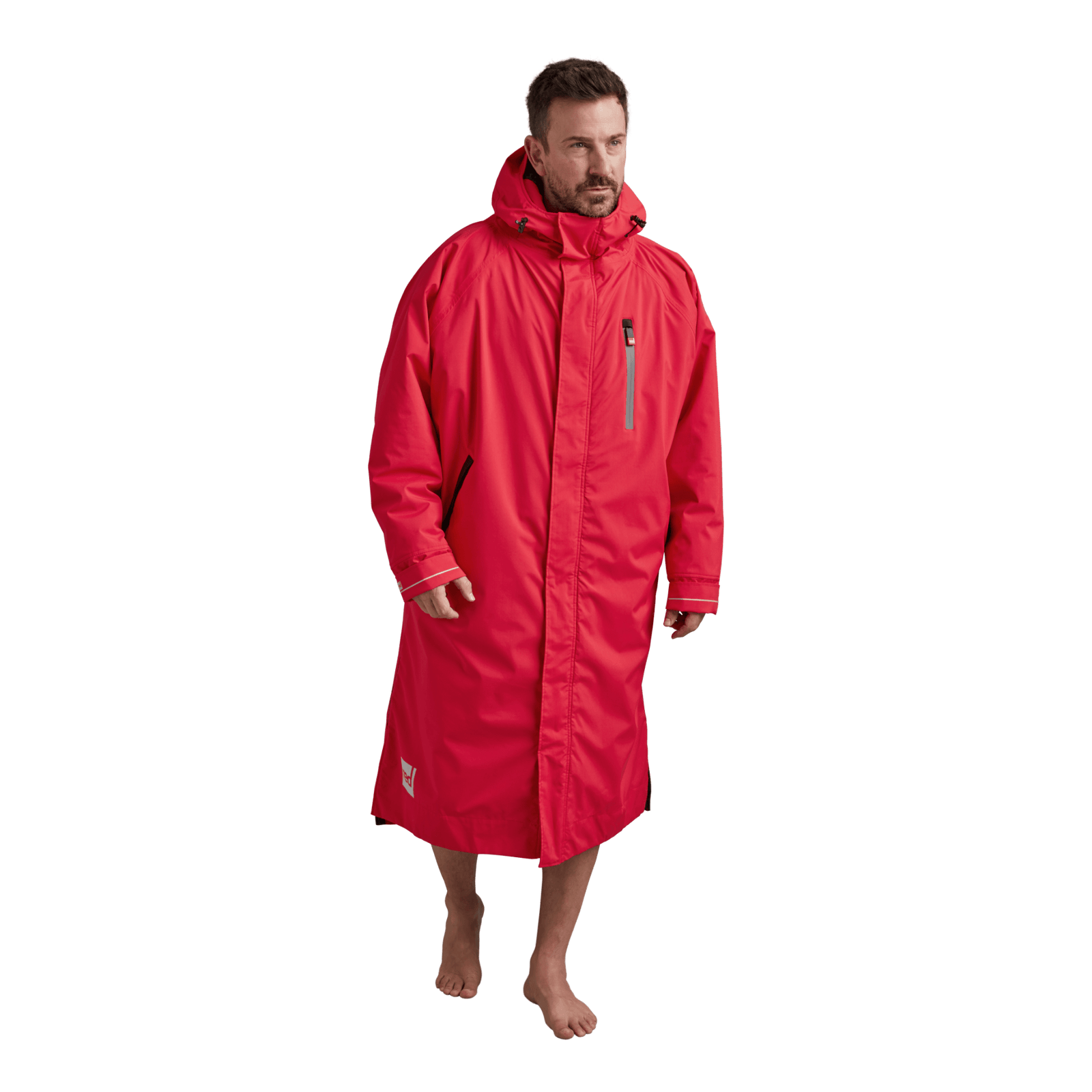
Oh, I LOVE my EVO Pro Change Robe! It’s basically my portable, wearable happy place. On the way to Anacapa, the boat ride was several hours, so I was down in the berths, completely snuggled into my warm robe and getting some sleep. Meanwhile, I later heard my crew was up on deck testing just how warm it really was by taking turns wearing it. Apparently, my robe had become the crew’s unofficial survival gear. And was it the first thing I put on when I reached Silver Strand? After a long swim, I’m usually dealing with the dangers of hypothermia and need to get out of my wet swimsuit and drink some hot tea as quickly as possible. And because I’m covered head-to-toe in baby-rash sunscreen that absolutely refuses to come off, I first throw on clothes I don’t mind sacrificing to the ocean gods. Once I’m warm, dry, and fully covered, THEN I get my robe. There was no way I was getting baby-rash sunscreen all over it. That robe is too special.
See above.
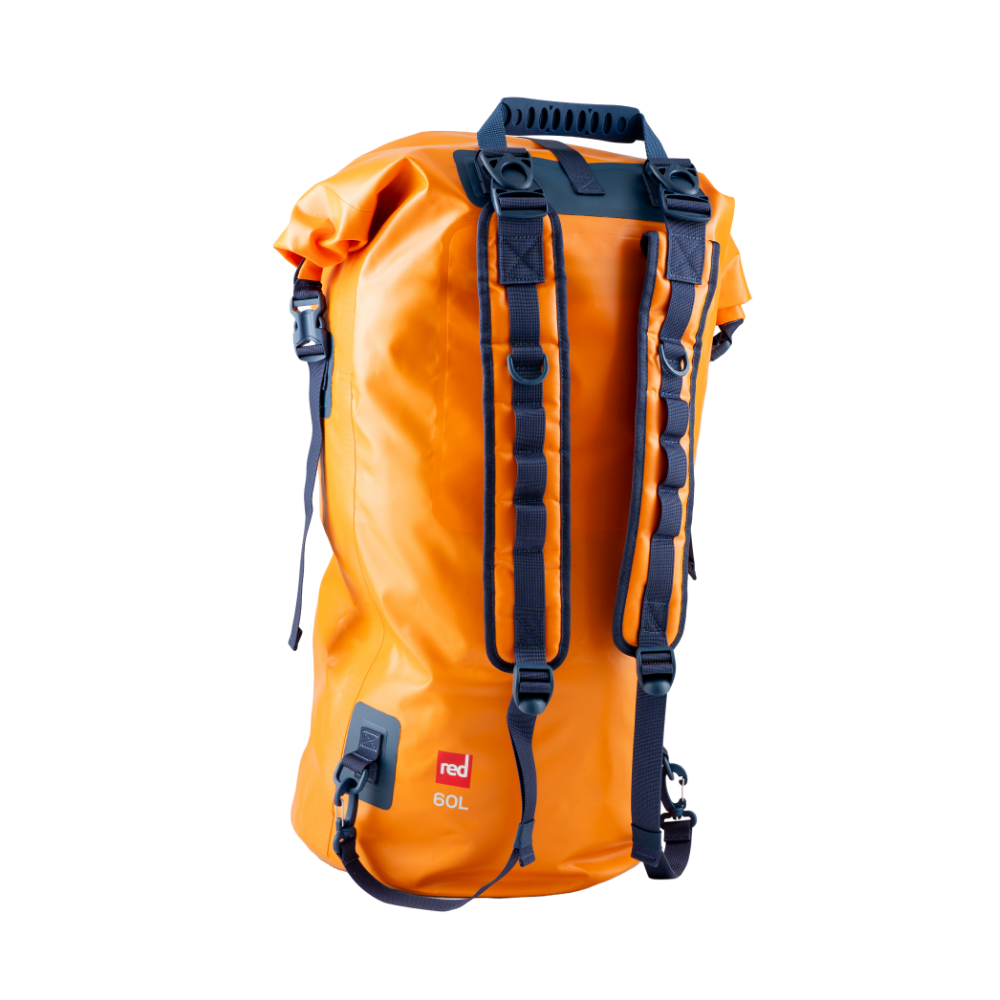
Oh yes! They’re not just swim-trip gear; they’re part of my regular training routine! My waterproof parka robe is always close by because you never know when you’re going to get out of the water (even in Arizona) and suddenly think, “Yep…freezing!” The waterproof roll-top dry bag backpack goes with me to keep all my essentials safe and dry. And the dog buoyancy aid? That one is especially important because my four-legged training buddy likes to be part of the adventure, too! So yes, the robe, the dry bag, and the dog buoyancy aid are all part of my everyday training arsenal. Apparently, this is what a swimmer’s version of a gym bag looks like. I can’t wait to look for more Red Equipment clothing and accessories.
Having Red in my corner means knowing I have a company behind me that believes in what I’m doing and genuinely cares about helping me succeed. I’m incredibly grateful for their support. When you’re pushing yourself to do extraordinary things, you want the very best products, the very best service, and people who stand behind both. That’s Red. Their support gives me confidence that when I’m out there tackling another crazy adventure, I have great, reliable gear and an incredible company in my corner. I’m proud to have Red along for the journey, and incredibly grateful they believe in the mission as much as I do.

Whether you’ve spent hours in the water or slipped in for a quick dip, the right kit makes all the difference when it’s time to get out. The EVO Pro Change Robe combines a waterproof outer with a cosy, warm sherpa lining, helping to keep you dry and comfortable as you warm up and change.
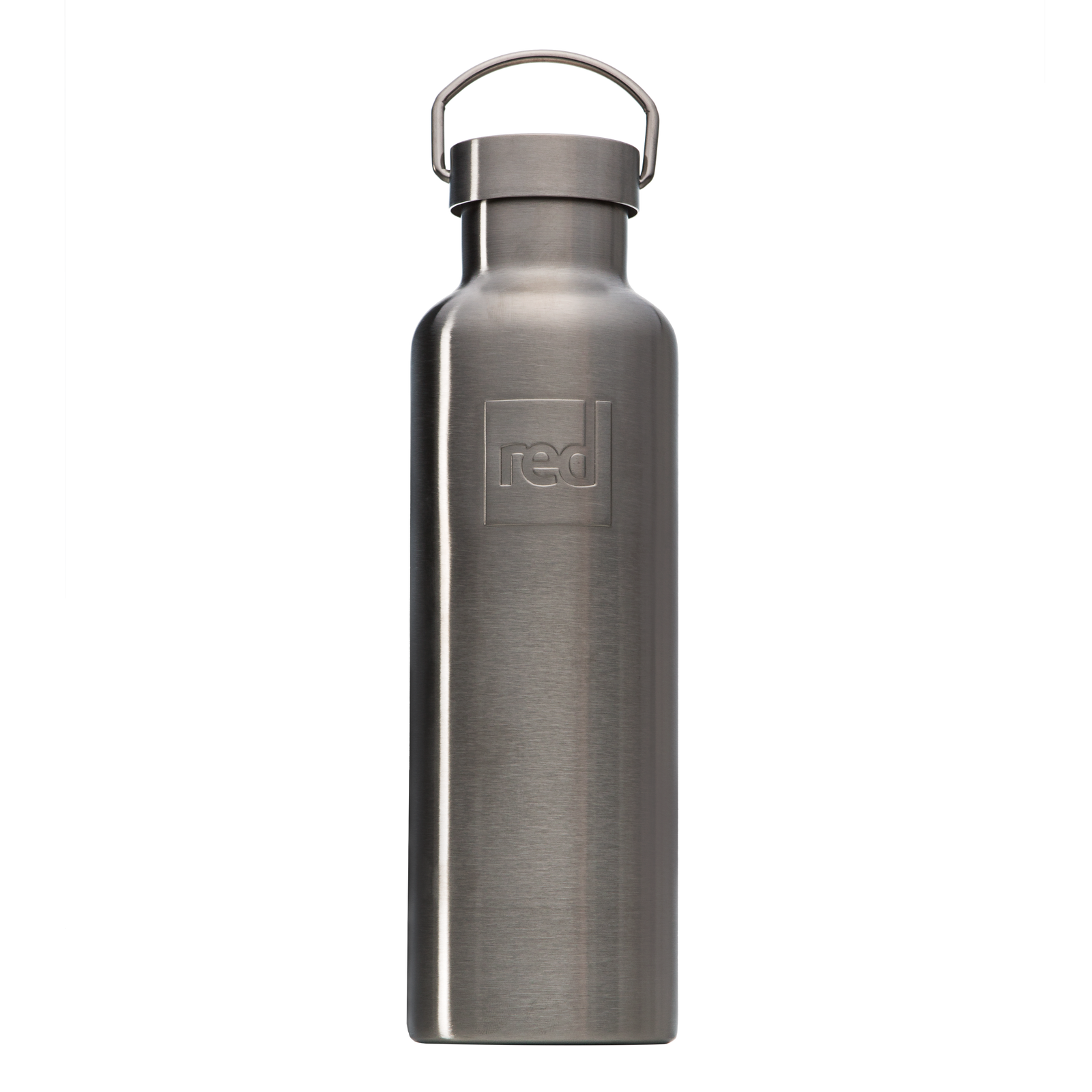
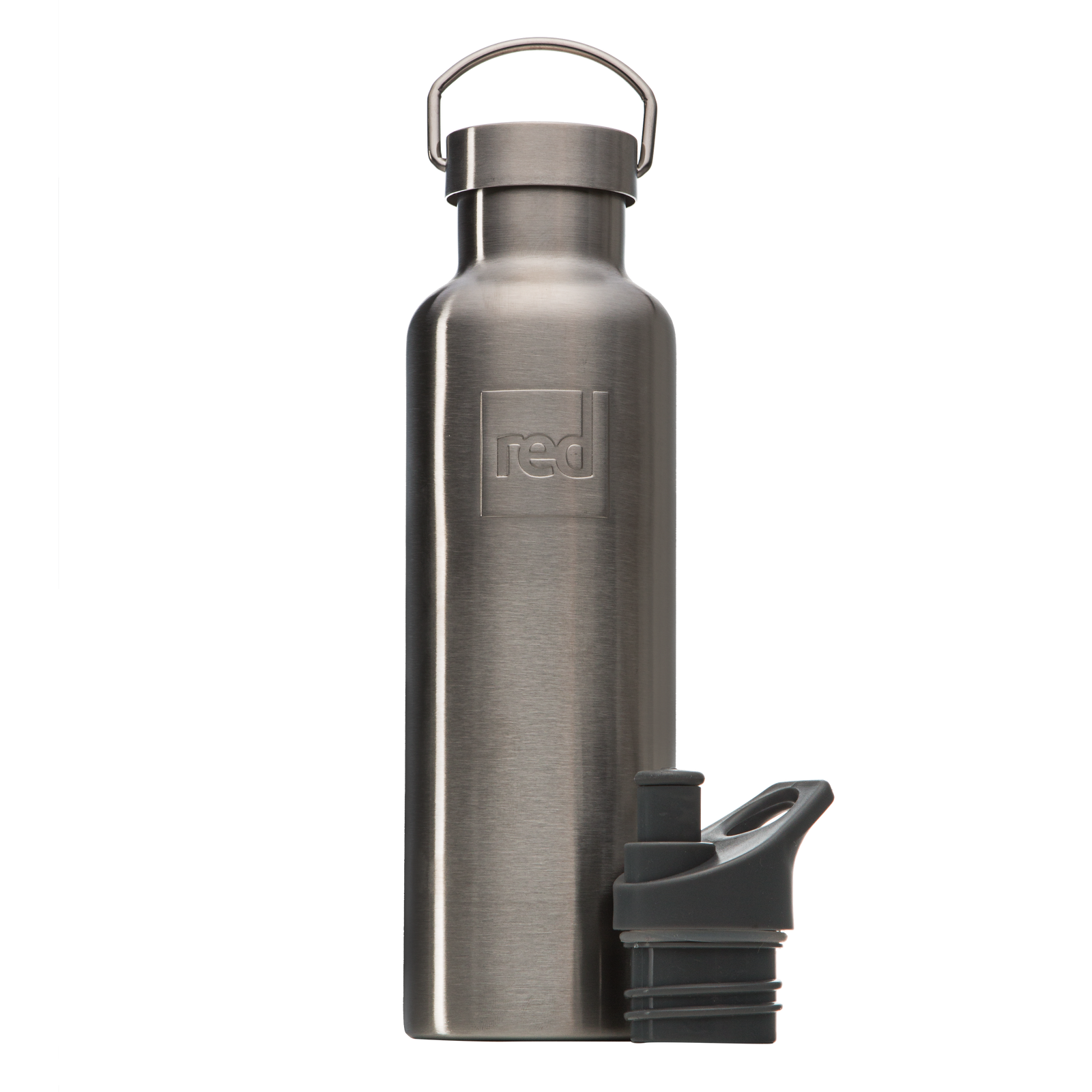
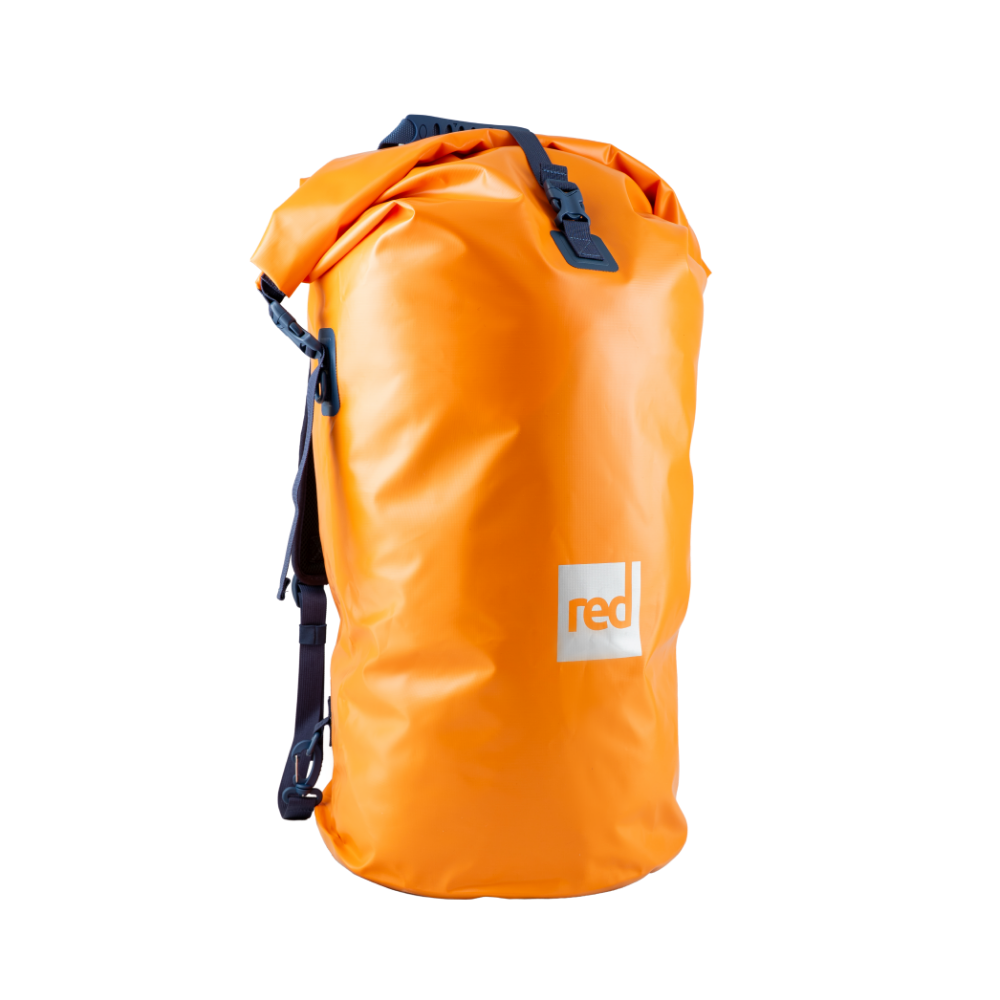


Discover how open water swimmer Deborah Gardner became the first person to swim the Santa Barbara Channel entirely using backstroke, taking on 13.19 miles of challenging ocean conditions.

Here are some key steps on how to layer that will help you develop a proper strategy for your next adventure.

On the final leg of our Red on the Road journey through Ireland, we meet adventure athlete Becky Gilmour near Dublin as she takes on an incredible 1,000km solo paddleboarding...

We travel from the quiet waters of Finn Lough to the Atlantic edge of Donegal for a beach sauna, a cold-water swim and an afternoon with the Salty Sea Sisters.

Using the correct equipment can help eliminate most of the frustrating experiences commonly associated with open water swimming. Find out more.

The Spirit of Great Britain sets a new British English Channel relay record in 6 hours 55 minutes, raising awareness and funds for RLSS UK.


Your bag is currently empty.